Introduction
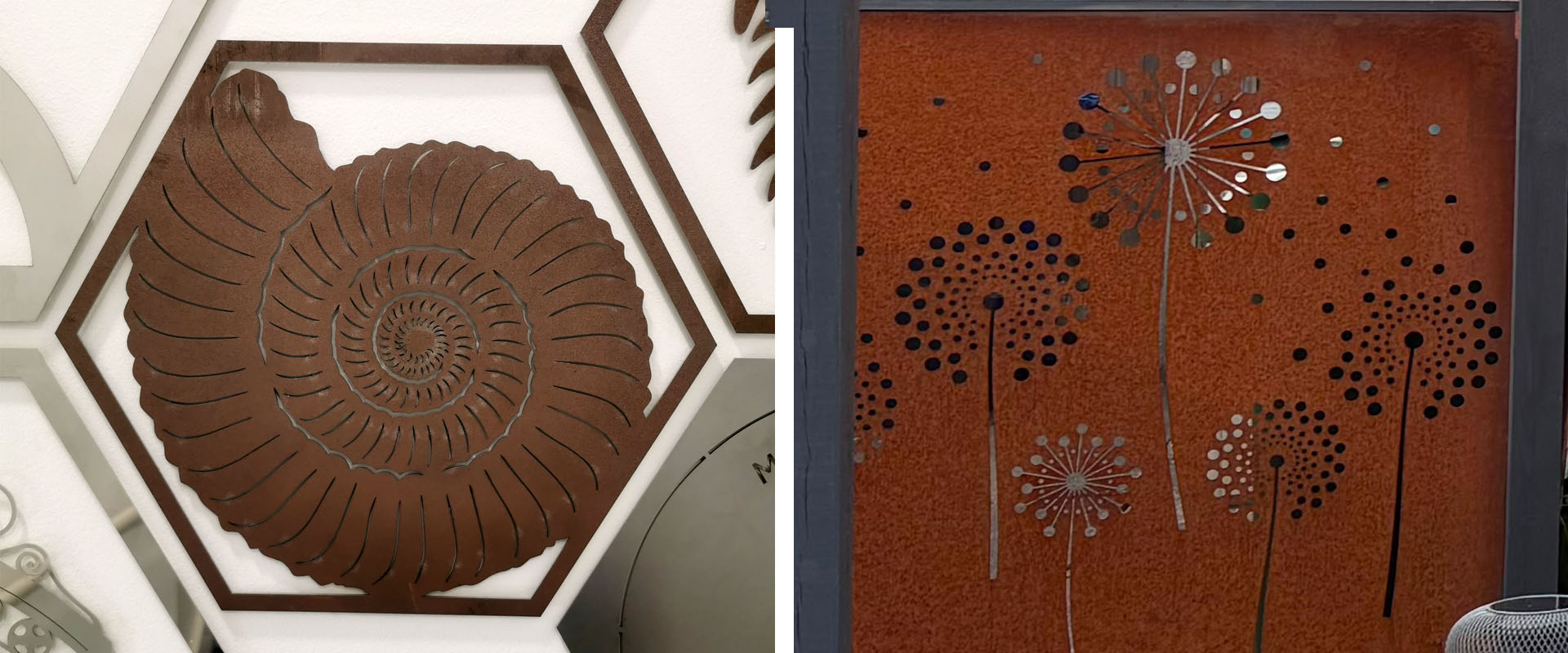
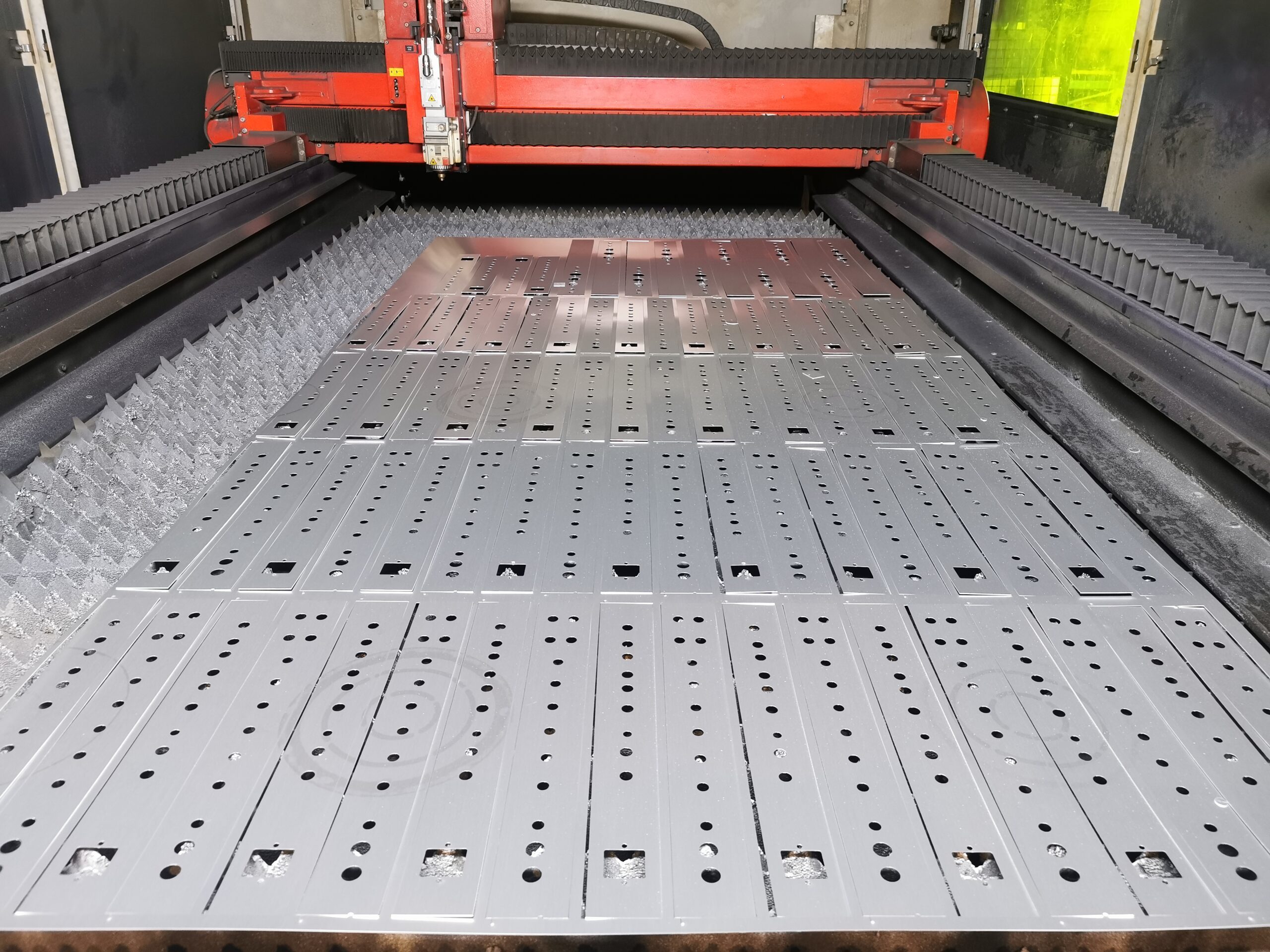
We sub-contract laser cut parts for a wide variety of industries. From transportation and distribution to automotive, structural and artistic, all of which need high quality parts. We are committed to maintaining quality in laser cutting and forming, ensuring high standards in both processes.
Our auditors implemented the QUENSH management system nearly 20 years ago. It ensures that all products and services comply with customer specification and meet or exceed expectations in product reliability, customer service, quality, cost and delivery.
Our Certifications
Since gaining our first quality assurance, we have continuously improved and now hold 3 key certifications. These certifications apply to our laser cutting and folding services and cover Quality, Environmental, and Health & Safety.
In addition to this, for the last 10 years, Midtherm Laser Ltd has maintained the BSEN-1090-1 accreditation up to and including Execution Class 4.
We’re proud to hold the following industry standard certifications:
- ISO 9001: Quality Management System
- ISO 14001: Environmental Management System
- ISO 45001: Health & Safety Management System
- BS EN 1090: UKCA certification for structural steel and stainless steel up to and including Execution Class 4 (CE Marking)
Our certificates are available for download.
ISO9001
Regarding ISO 9001, our aim is to always supply to our customers, high quality products and customer service that conform exactly to stated or agreed specifications/order requirements and any other statutory or regulatory requirements relevant to the product.
ISO14001
In line with ISO 14001, our aim is to reduce waste production and promote its re-use and recycling. We also focus on improving energy efficiency and preserving resources. We evaluate environmental impacts when considering new equipment or processes, and we prioritise preventing pollution and disposing of waste correctly.
ISO45001
For ISO 45001,our aim is to provide a safe work environment by ensuring that plant and systems pose no health risks and that materials and equipment are handled safely. We offer training, information, and supervision to protect employee health, safety, and welfare. We maintain a safe workplace and continually assess and improve our working practices to ensure we follow the safest methods.
BSEN 1090
This a European standard and a legal requirement for companies who manufacture structural steelwork within the UK and EU. It ensures that the CE marked material that we cut & form loses none of its capabilities during our processes. We hold BSEN 1090 to execution class 4, which is the highest level. We are currently one of a very few sub-contract laser providers in the UK with this accreditation.
UKCA (UK Conformity Assessed) was introduced after Brexit to replace CE marking for products sold in Great Britain. CE Marking remains a requirement for parts sold in the European market.
Routine Audits and Quality Assurance
The objective of the quality audits is to determine if the management system:
- Conforms to the audit criteria set out in the process flow forms
- We ensure that all applicable statutory, regulatory and contractual requirements are met
- Is effective in ensuring that objectives are met, and
- Effectively drives improvement
We have a management system with standards that we must conform to, all of which have a process flow. These standards show how each department must run to follow the quality system. These cover all of our work from sales and production to waste management and personal accidents. We have carefully selected all requirements, and we must follow them. After completing audits, we log the findings into reports.
For ISO 9001, 14001 and 45001, we have an audit re-certification every 3 years and annual check-ups known as surveillance visits. Re-certification is a longer audit because it covers every clause of the standards, while surveillance audits review random samples of clauses and don’t need to cover every one.
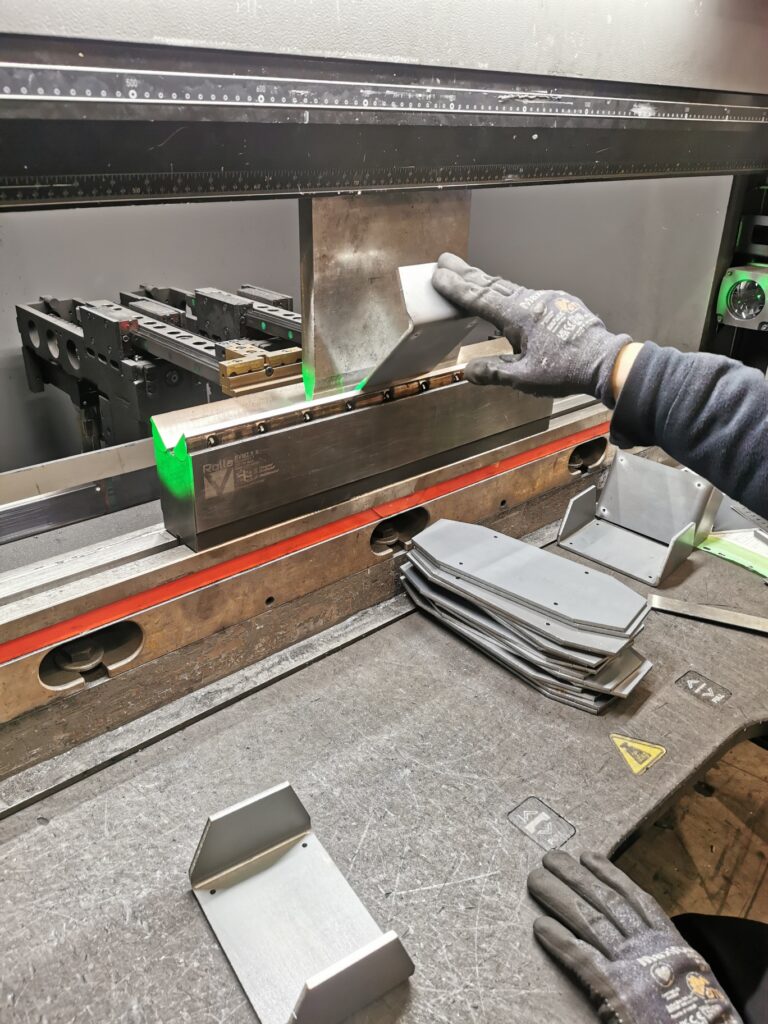
Driving Improvement to Maintain Quality
This is a key objective from the audits allowing us to see areas for improvements.
We now run a report to analyse why jobs are cut late or not delivered on time (OTIF, On Time In Full). Since the percentage of late jobs is not where we want it to be, we are collating the data to see if there are any patterns to improve on this. We pride ourselves on good cut quality, but we also strive to deliver these parts on time, in full, every time.
Feedback from the audits also help us to refine and tweak how we have ‘always done things’ and changes attitudes towards improvement. Our guidance ‘process flow charts’ are amended when changes are made.
“Process flow changes can be made if you change how you work, have new equipment or machinery, new inspection methods, new staff or if the requirements of the standards change or if assessments and internal audits identify non-conformance.” Explains Gavin Hedge, Director at Initiative Quality & Safety Ltd.
As an example, our Quality Engineer explained that we used to create an NCR (Non-Conformance Report) for all jobs if something, even minor things, went wrong. We suggested to reducing this paperwork when smaller problems can be rectified quickly. This now helps speed up the resolution of larger problems.
What Happens When Quality Problems Arise?
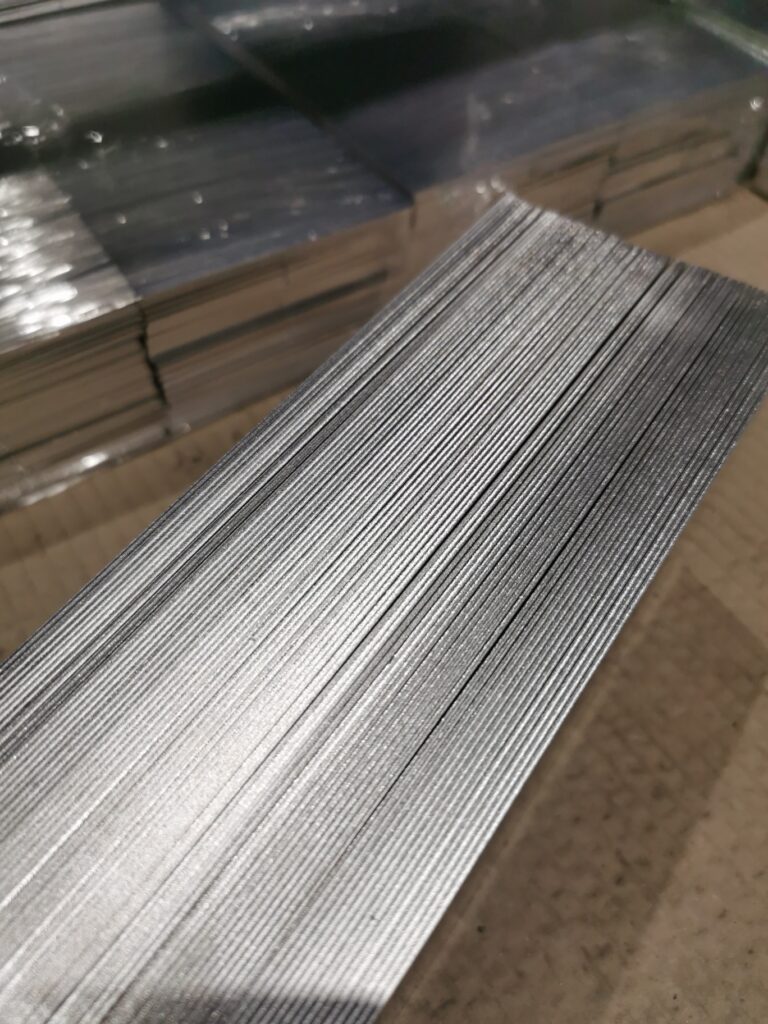
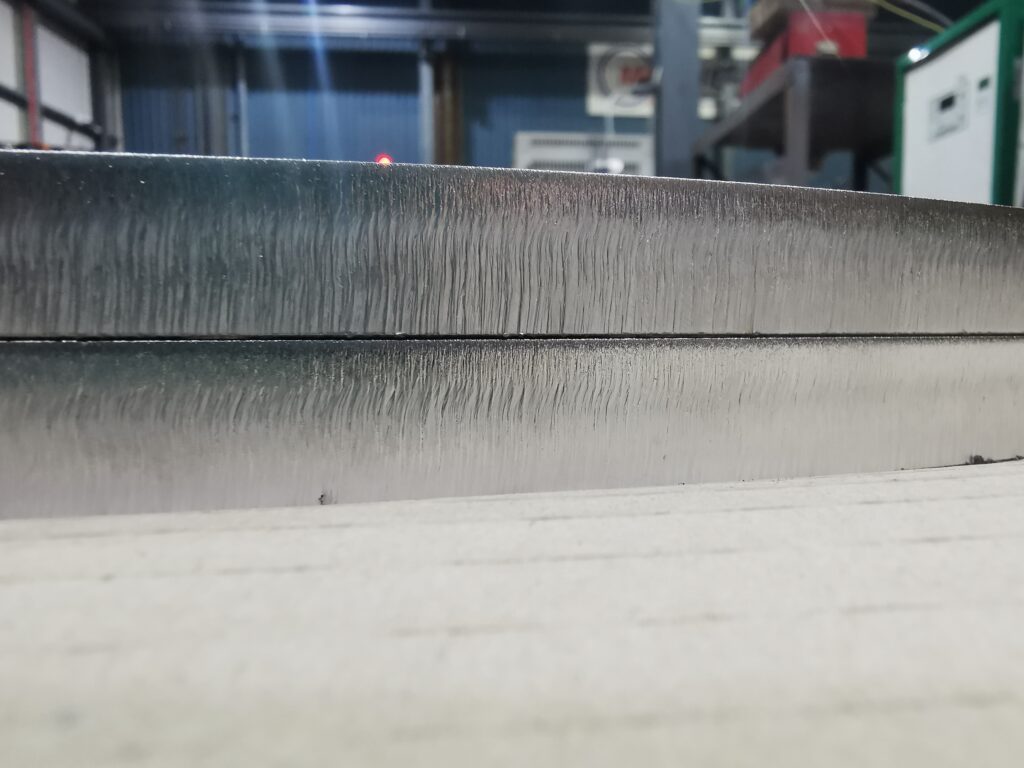
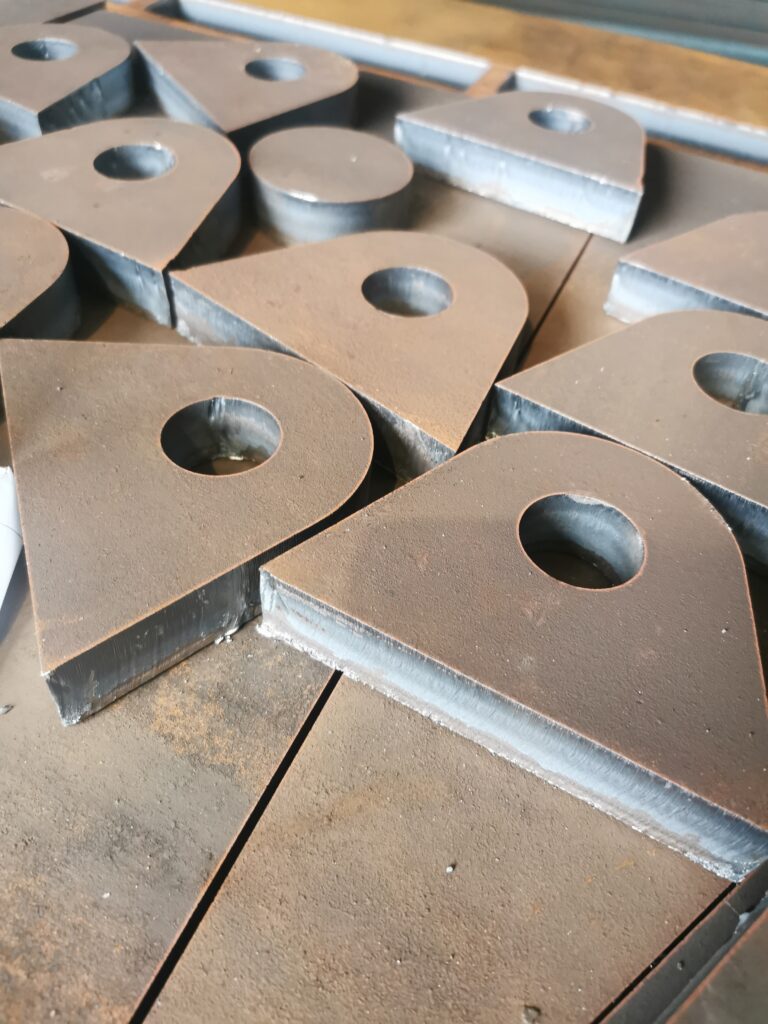
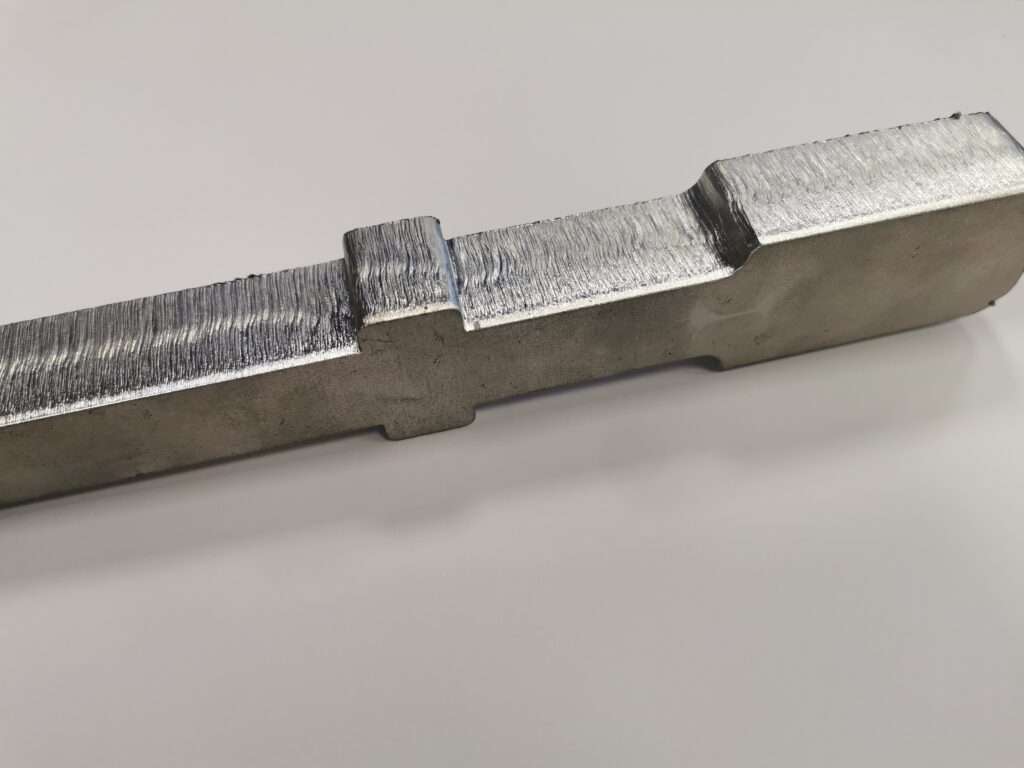
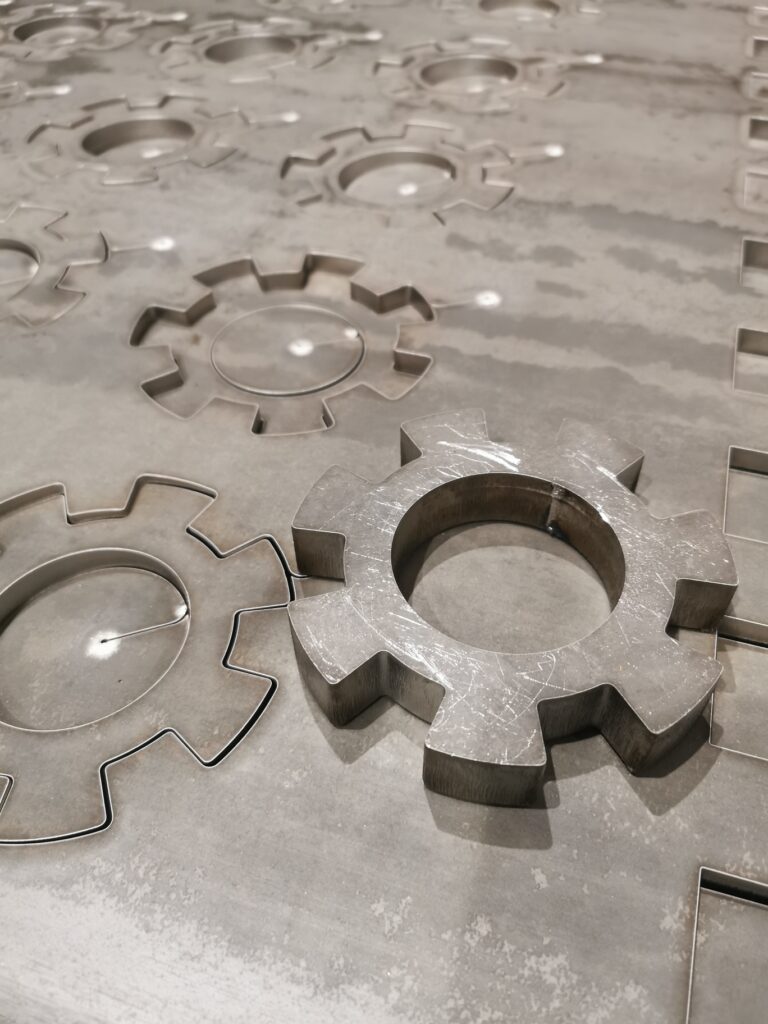
The introduction of fiber lasers has definitely increased cut quality. Working to a tolerance of +/-0.25mm or better, we are finding less issues with cutting. However, the quality system is in place for when problems arise.
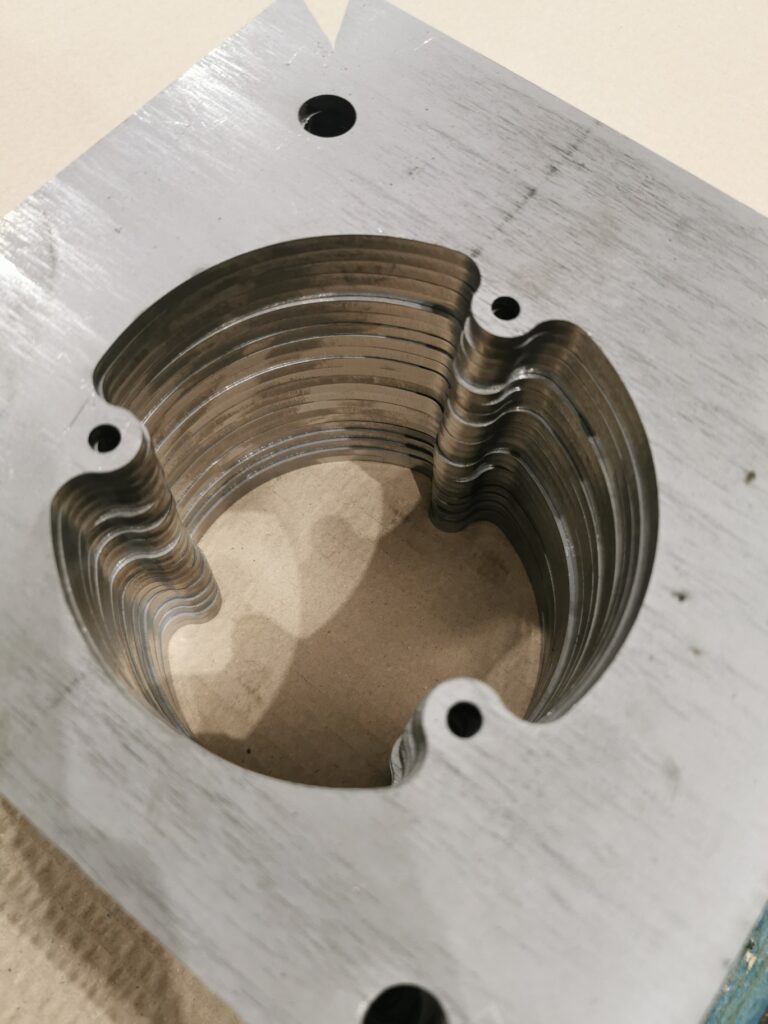
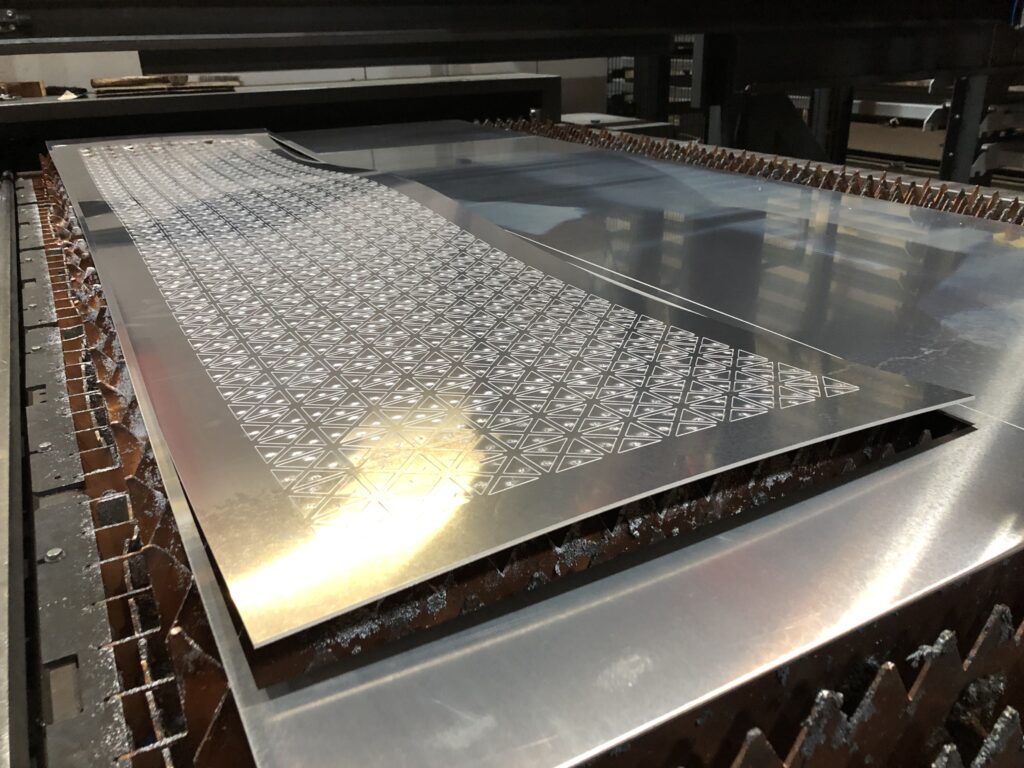
We create NCR reports when a job has a mistake that we need to log and resolve. We will always try and highlight potential issues before they go out if the operator notices missing parts, poor quality material or if the quality of the cut is low. Or if the heat build up while cutting has made the part a bit bendy, as per below! However, if the job does go out and it is wrong, the customer will contact us. The problem should be then be identified and a resolution given.
When things go wrong, we look for patterns in the data. For example, if a certain material isn’t cutting very well, we can check the supplier and the certs for the material. We can make necessary changes to stop the problem happening again. Mistakes may occur, from order input to drawing errors. By identifying repeated errors, we can focus on ways to reduce them. We will always try and resolve problems quickly and communicate with the customer.
The Importance of Customer Feedback
Thank you for reading this article about Maintaining Quality in Laser Cutting and Forming. Your feedback helps us to maintain and improve our high standards. We would like to invite you to take part in our questionnaire to see how we could improve further or any questions you would like us to answer.