Introduction
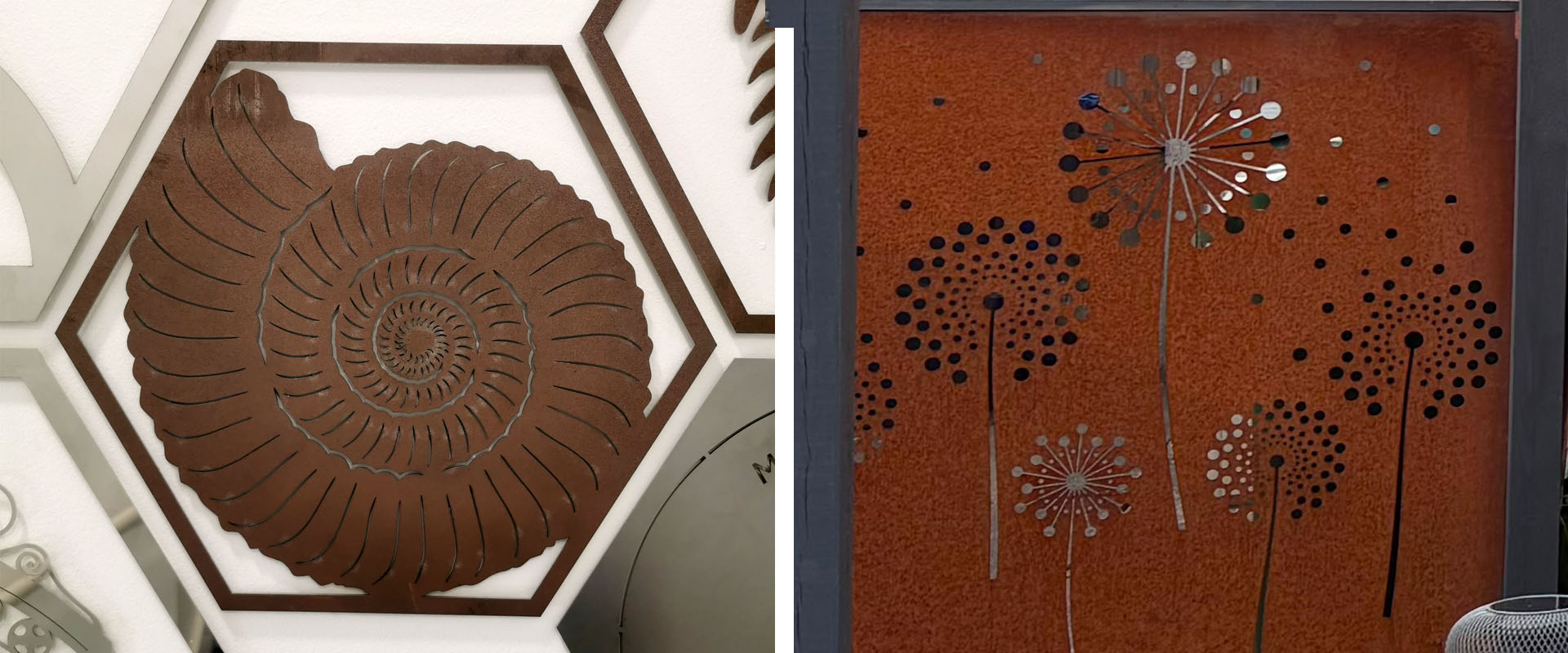
When planning a project that requires a rusted appearance, one of the most common questions is whether to choose Corten steel or mild steel. The popularity of garden screens and planters with a weathered ‘rusty’ finish has increased significantly in recent years, and it’s something we are regularly asked about. The same effect is also widely used for sculptures, signage and architectural features.
Although both materials can develop a similar appearance, they behave very differently once exposed to the elements. There are important differences in how they perform, how long they last and where they are best suited.
In this article, we’ll compare Corten steel vs mild steel to help you choose the right material for your project.
What is Mild Steel?
Mild steel is a versatile and cost-effective material used throughout manufacturing, construction and fabrication.
When exposed to the elements, mild steel will naturally rust. Unlike Corten steel, this corrosion continues over time and can eventually reduce the material’s thickness and strength if left unprotected.
For long-term outdoor use, mild steel is often painted, powder coated or galvanised to prevent corrosion.
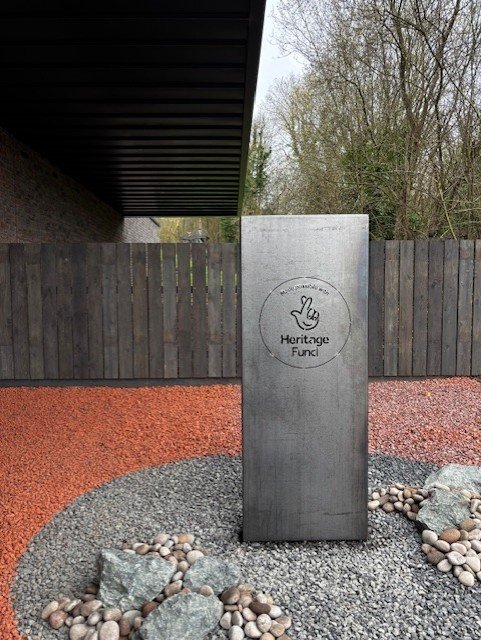
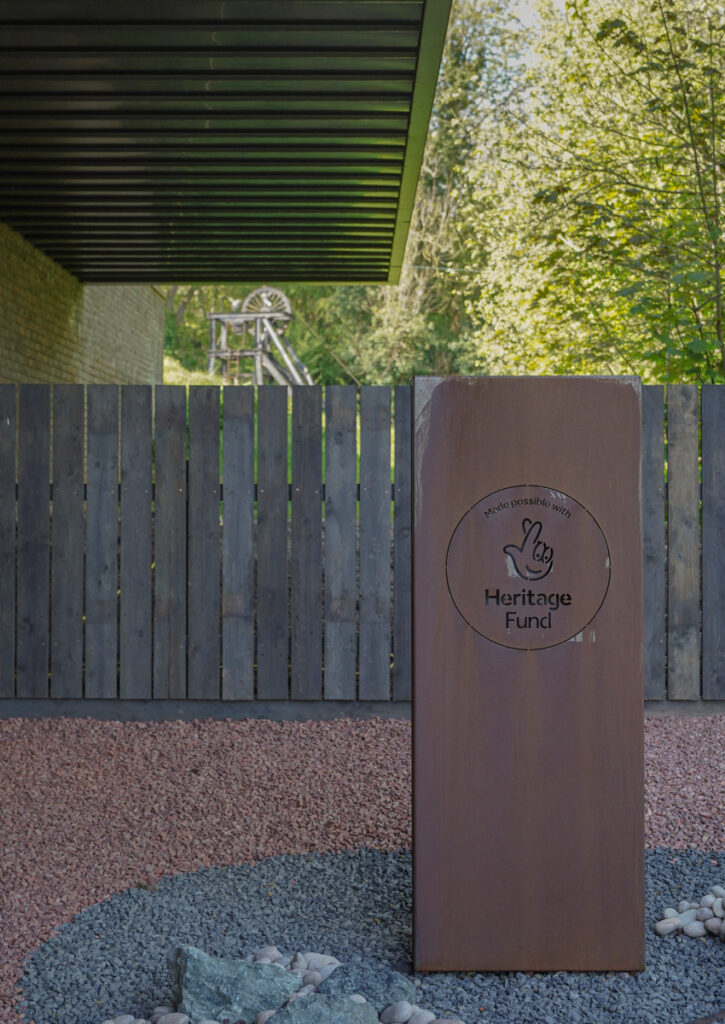
This photos shows how a mild steel plate can changes over time from the original silver / grey colour to the rusted finish.
What is Corten Steel?
Corten steel, sometimes known as weathering steel, is specifically designed to form a stable protective patina when exposed to the weather.
This rust-coloured surface creates the distinctive appearance that makes Corten so popular for landscaping and architectural projects.
Unlike ordinary mild steel, the patina helps slow further corrosion, allowing the material to maintain its structural integrity for much longer in outdoor environments.
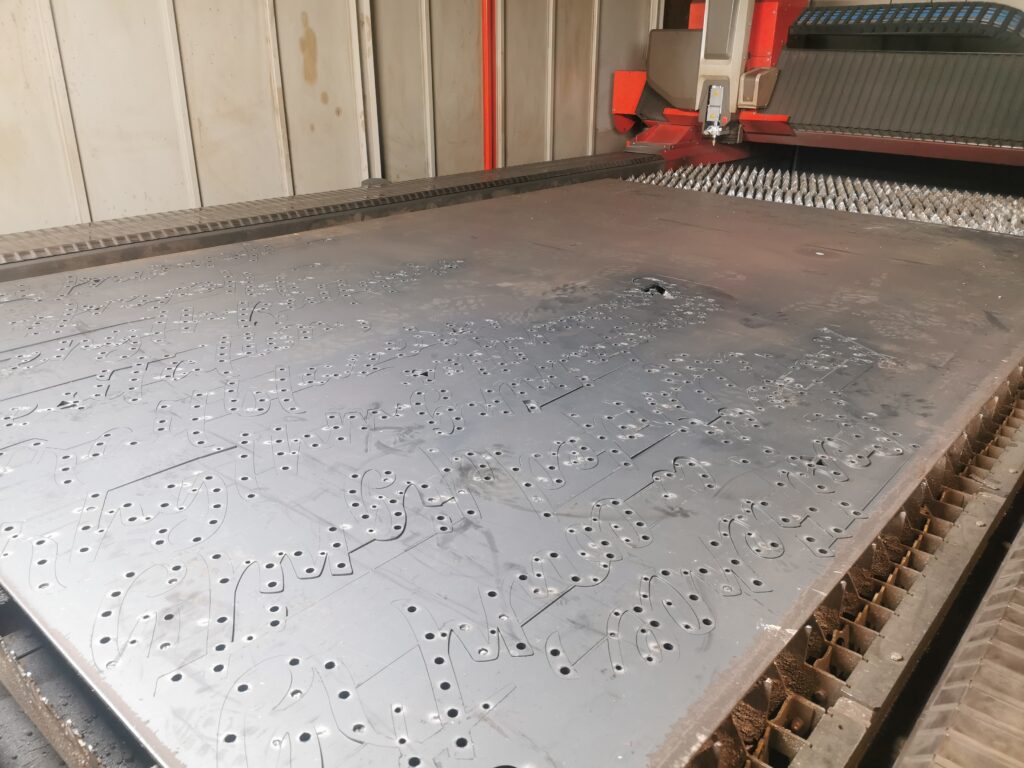
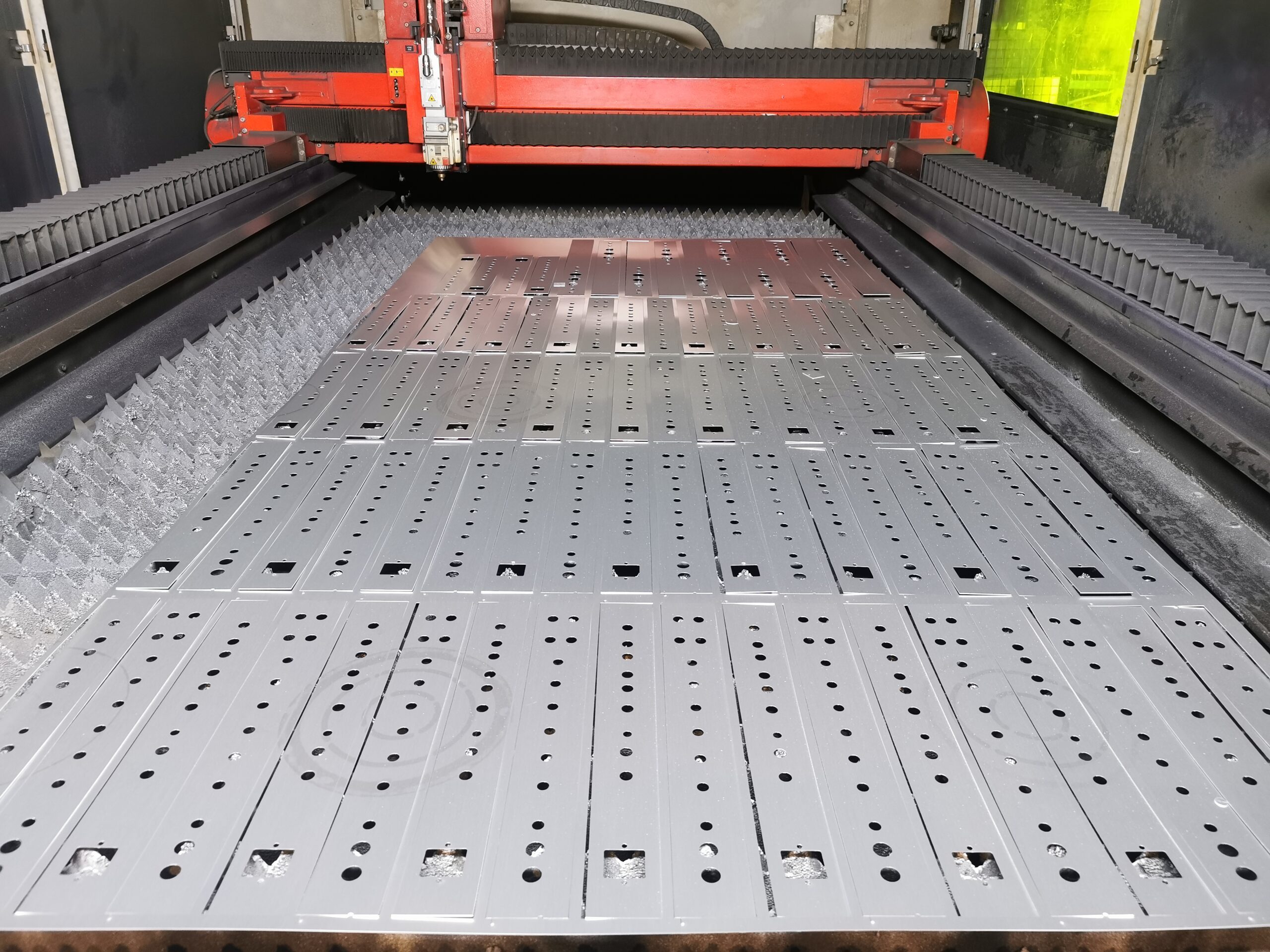
This photo shows a sheet of 6mm corten on our 12kW fiber laser before the ‘rusting’.
Mild Steel
Corten
Appearance
- Initially grey / silver in colour
- Rusts unevenly when exposed to the weather
- Often painted or coated for protection
- Loses structural integrity over time if left unprotected
- Develops an orange-brown patina
- Designed to weather naturally
- Develops a consistent architectural finish over time
- Distinctive weathered appearance
Applications
- General fabrication
- Structural components such as brackets and shims
- Supports and other fabricated components
- Indoor applications
- Components that will be painted or coated
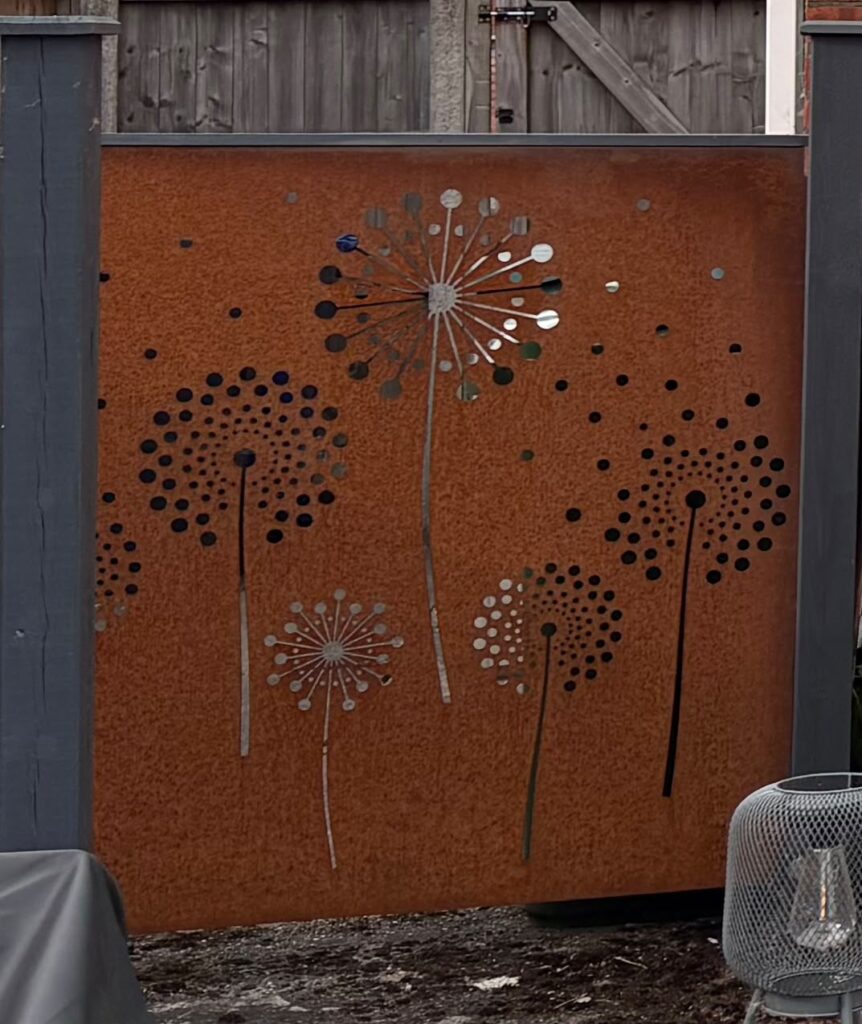
- Garden screens
- Planters
- Edging
- Signage
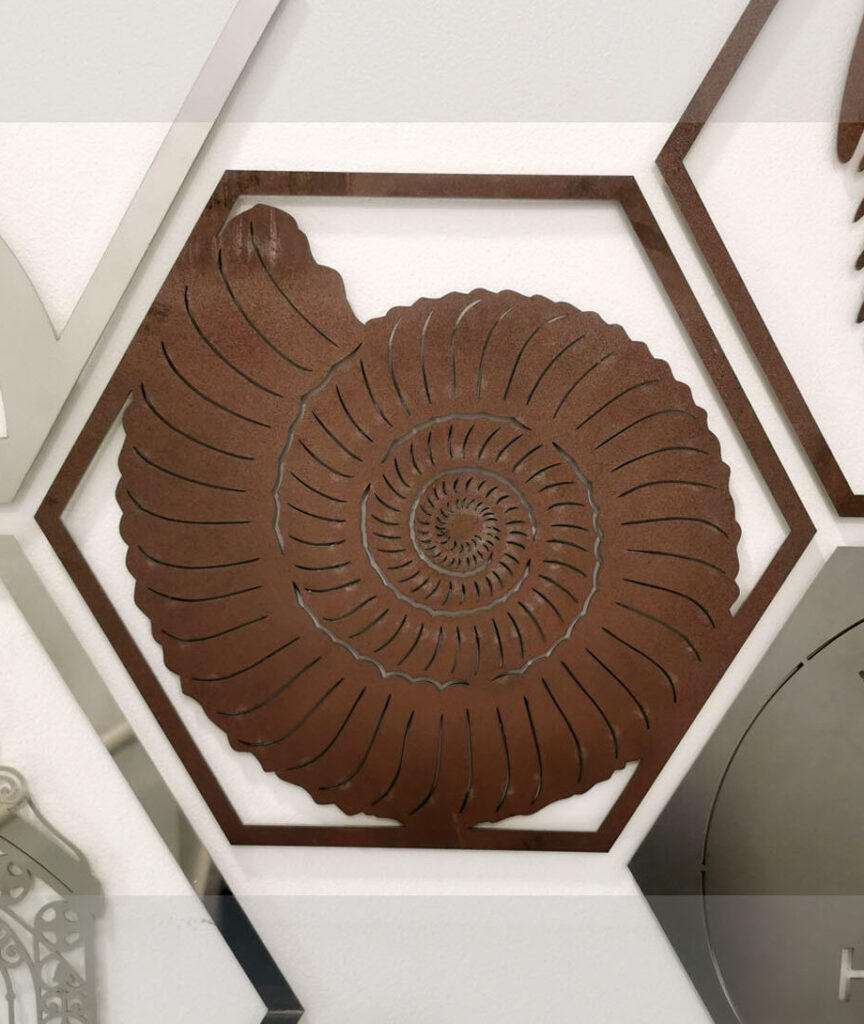
- Indoor & Outdoor artwork
- Architectural features & building facades
Price
- More economical option
- Stocked item so you only pay for the material used
- Available in a wide range of thicknesses
- Suitable for projects where a natural rusted finish is required but the additional properties of Corten are not needed
- Not a ‘stocked item’ so full sheets are charged
- Can also be cut from free-issue plate
- Higher in price due to specialist composition
Which Material is Right for Your Project?
If cost is the primary concern and the component will be protected with paint or another finish, mild steel may be the best option.
If you are looking for a long-lasting outdoor material with a distinctive weathered appearance and minimal maintenance requirements, Corten steel is often the preferred choice.
At Midtherm Laser, we laser cut both mild steel and Corten steel for customers across a wide range of industries and applications.
Conclusion
Thank you for taking the time to read about Corten Steel vs Mild Steel. If you would like a quotation or any more information, please contact our sales department below.
You can also have a read of our other material articles such as Aluminium Grades Explained and Stainless Steel Finishes Explained.