We recently asked our customers for feedback and gave them the opportunity to ask questions about our services. We’ve now compiled some of the most common questions to give you clear answers in one place.
Thickness & Material Capabilities
One of the most common questions we get asked is what the thinnest and thickest material we can cut.
We can laser cut mild steel, stainless steel and aluminium from 0.5mm up to 30mm thick.
We regularly cut a wide range of other materials and grades including:
brass, copper, corten, titanium, and chequer plate in both aluminium and stainless steel.
Please note: our stocked material thicknesses generally start from 0.9mm, although we are capable of cutting thinner material where required.
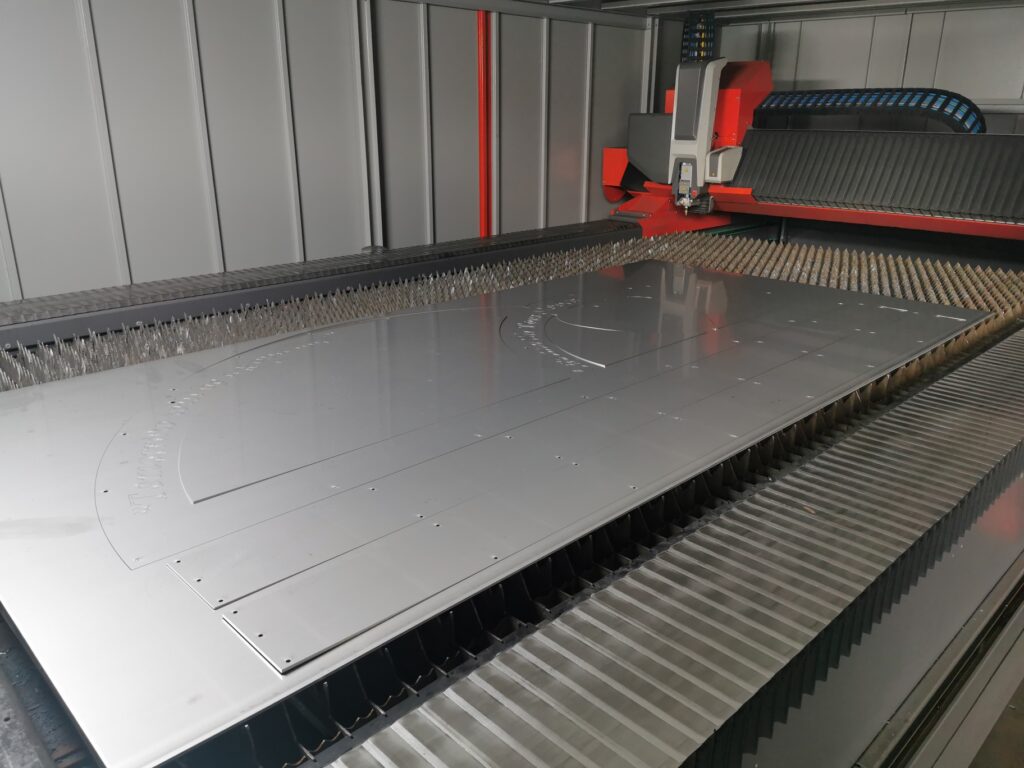
Our largest bed size is 4000mm x 2000mm on our 12kW laser, which allows us to handle large sheets and a wide range of thicknesses, subject to material availability.

Forming Capabilities
A question we get asked frequently is what forming capacity we have and what size parts we can bend.
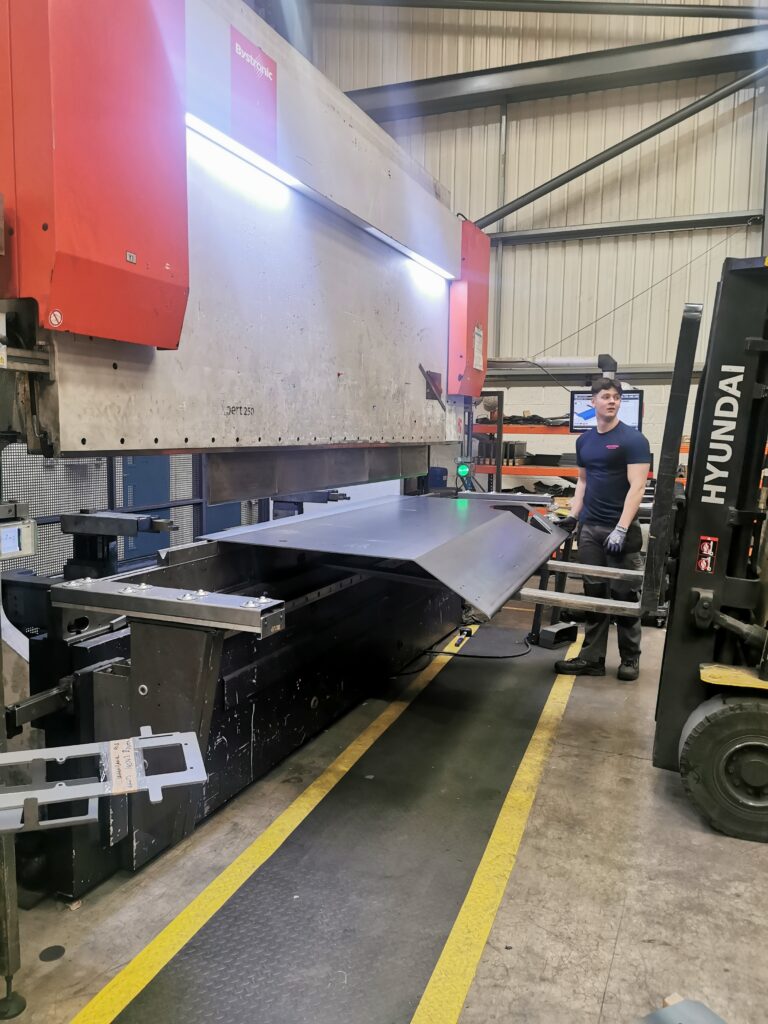
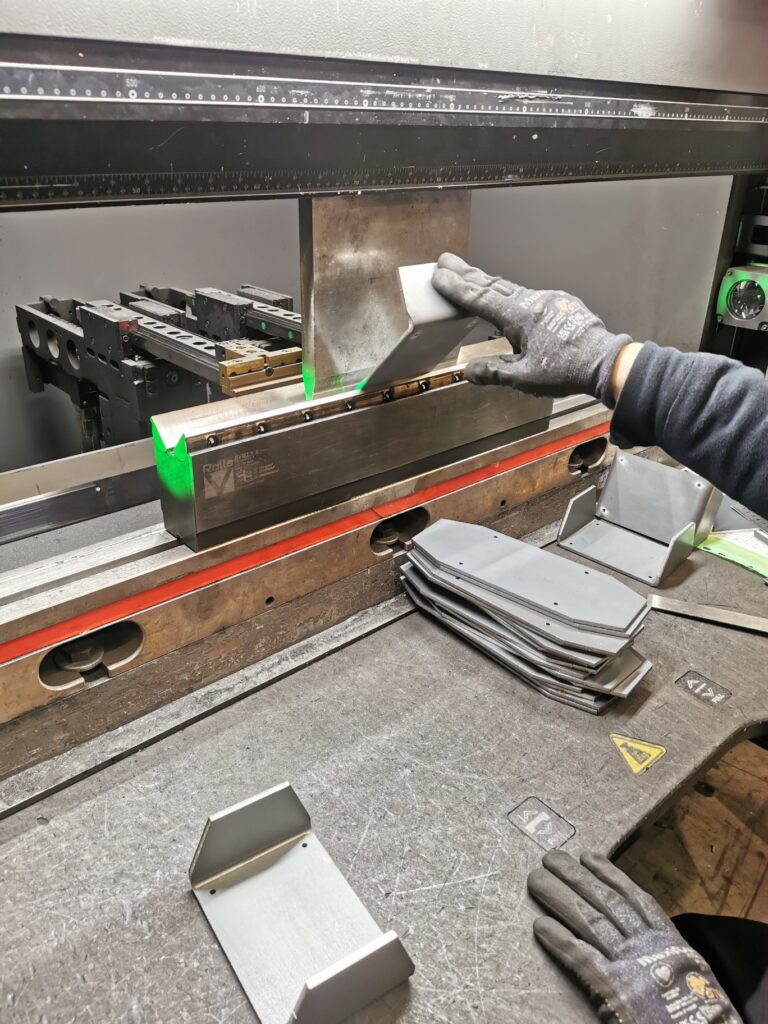
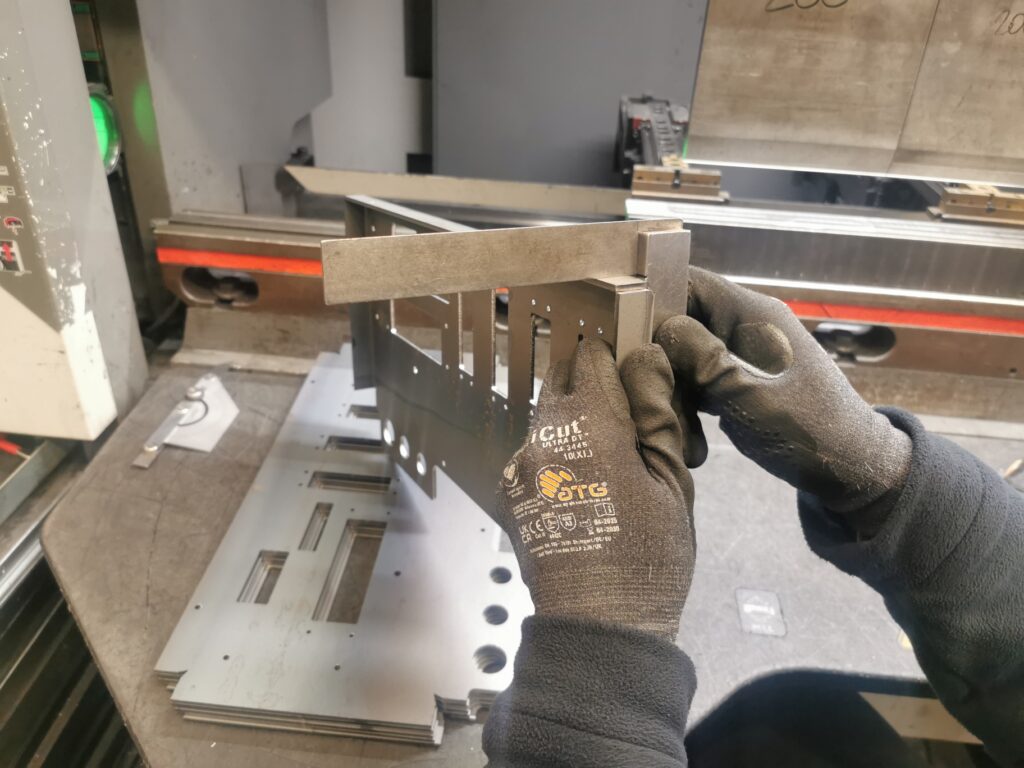
We offer CNC forming services alongside our laser cutting, allowing customers to receive finished folded components.
Our maximum forming length is 3990mm, although thickness capabilities vary depending on material type, bend requirements, and overall part size due to press brake tonnage limits.
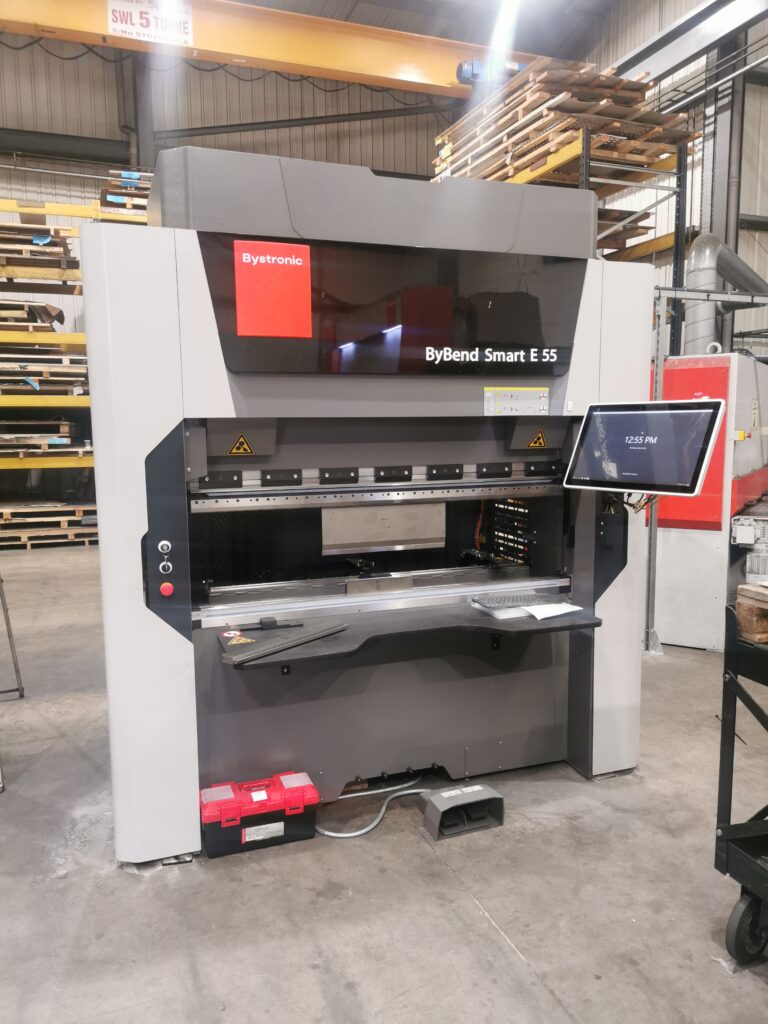
We currently operate 55-tonne, 80-tonne, 225-tonne and 250-tonne press brakes. This enables us to form a wide range of parts from small brackets through to larger components.
If you are unsure whether a part can be formed, our estimation team can review drawings and advise before manufacture begins.
Tolerances and Precision
Another common question is how accurate our laser cutting is and what tolerances we can achieve.
Our general cutting tolerance is typically +/- 0.25mm
Material type, thickness, heat input, and part geometry can all affect achievable tolerances, particularly on thicker materials. In some cases, tighter tolerances may be achievable depending on the material, thickness, and part design. If your project has critical dimensions or tighter tolerance requirements, it is always best to speak with our production team before ordering.
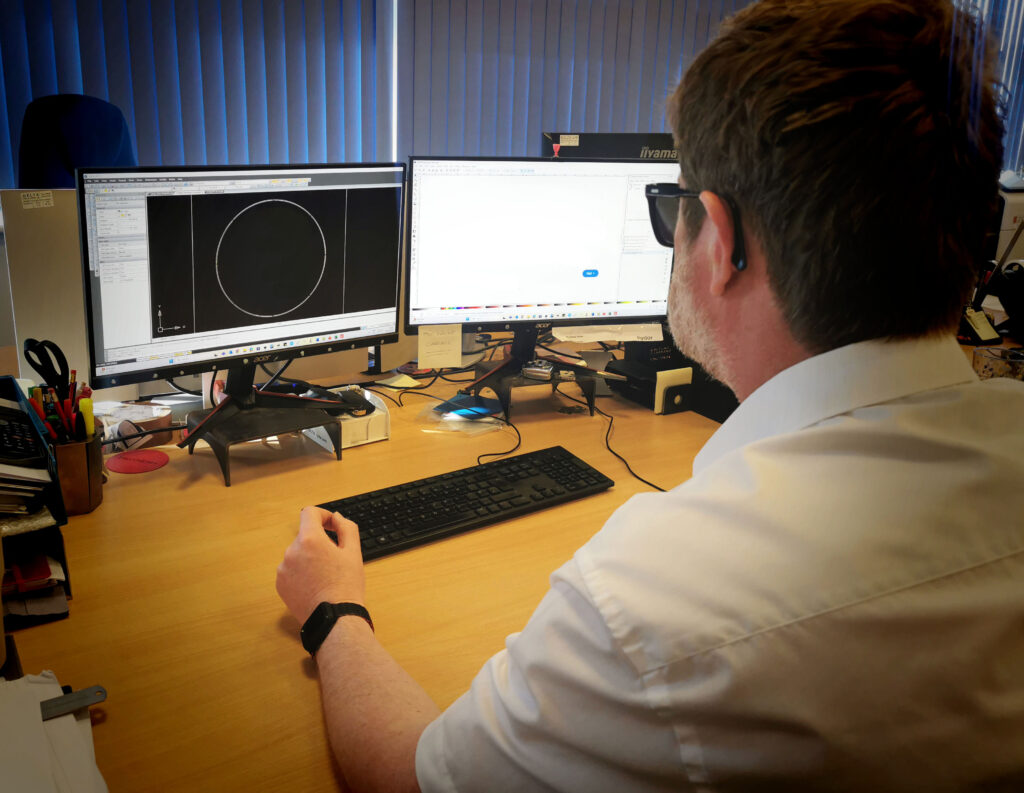
Repeatability is also important in our laser cutting. We program a drawing profile once and then use it throughout production to maintain consistency across all parts.
Contamination – Non-cross Contamintation
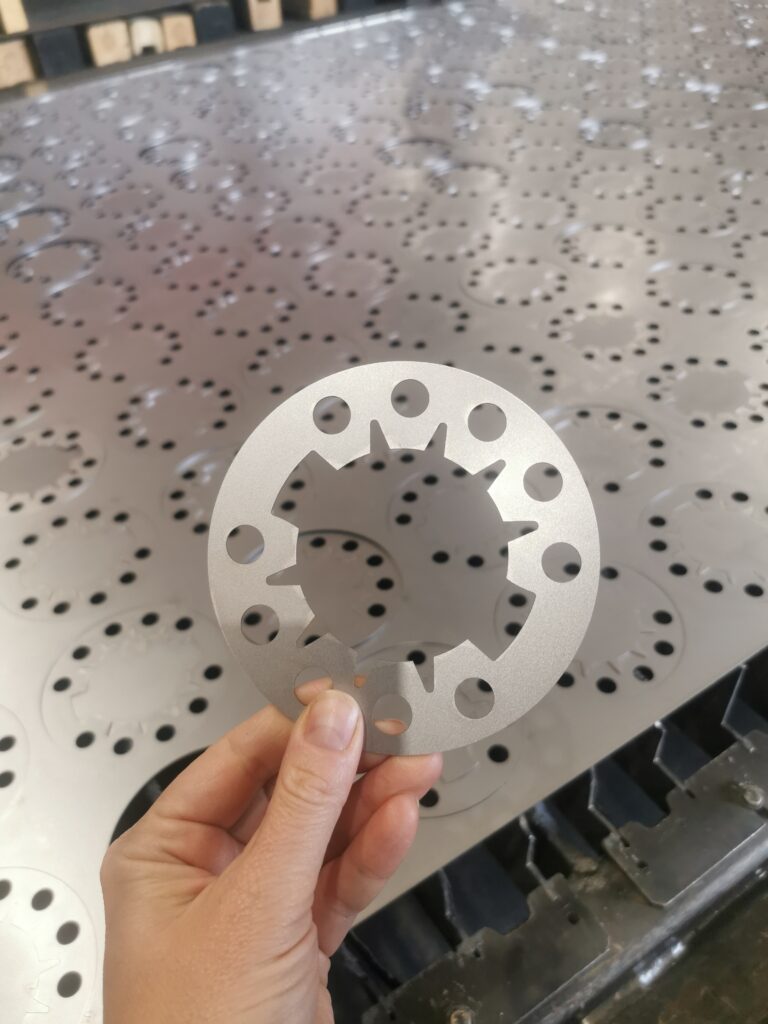
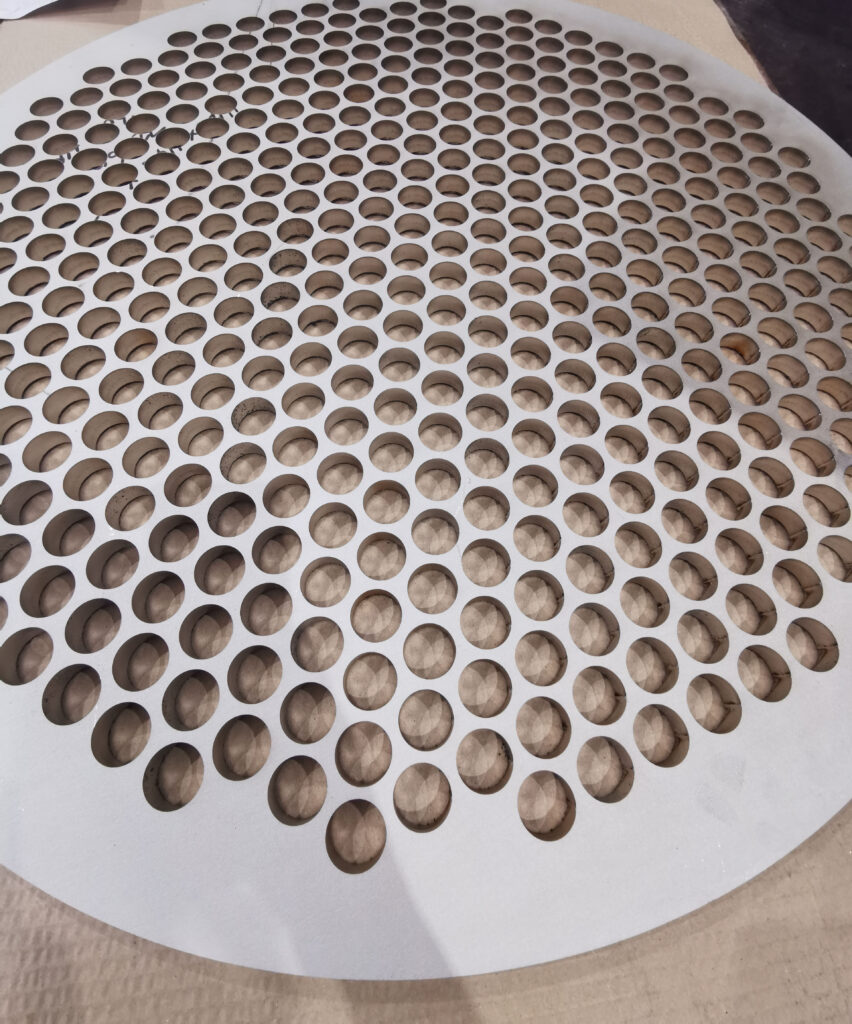
At Midtherm Laser Ltd, we are (as far as we know) the only sub-contract laser provider able to cut non-ferrous materials for industries such as food and chemical processing without the risk of cross-contamination.
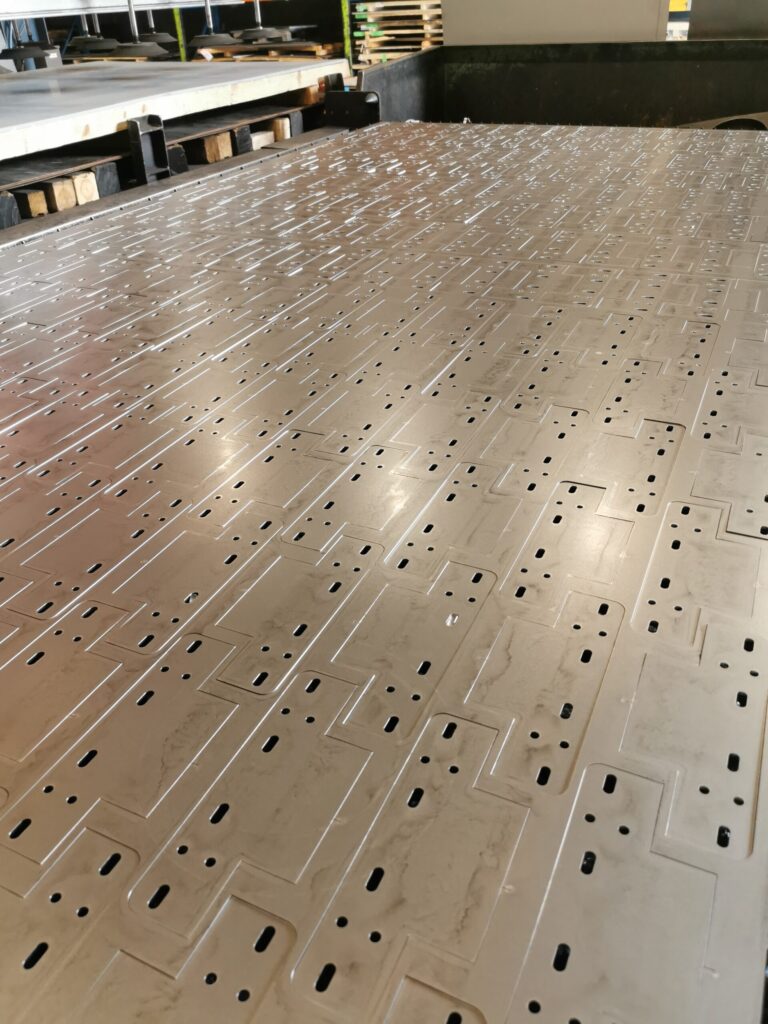
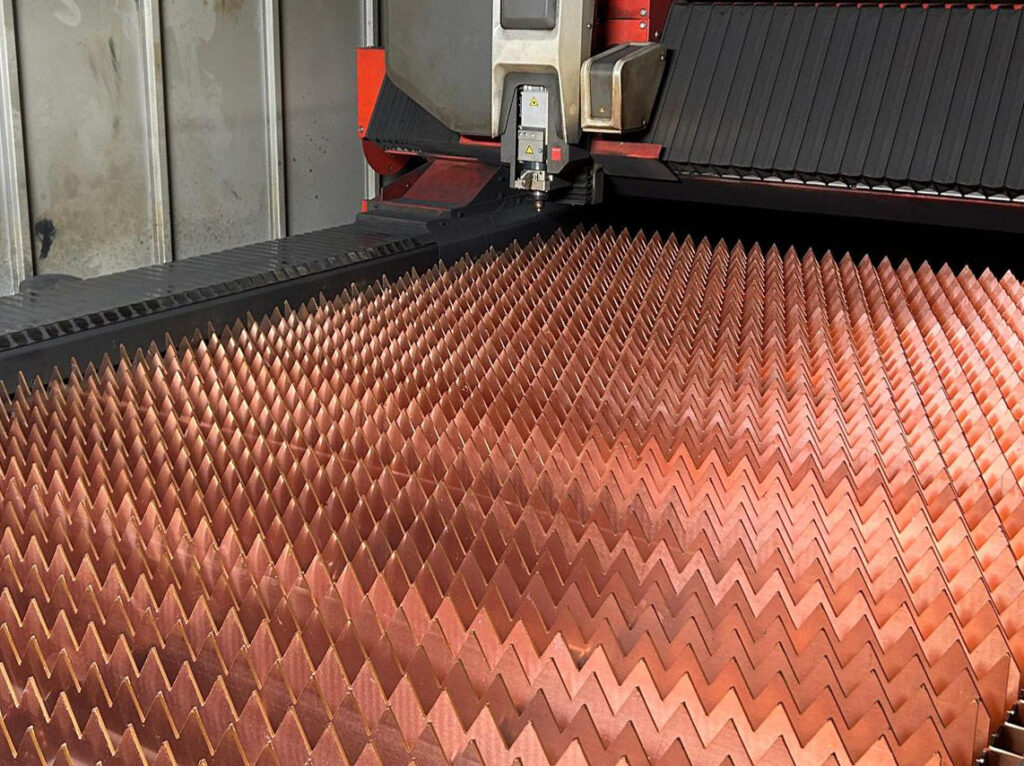
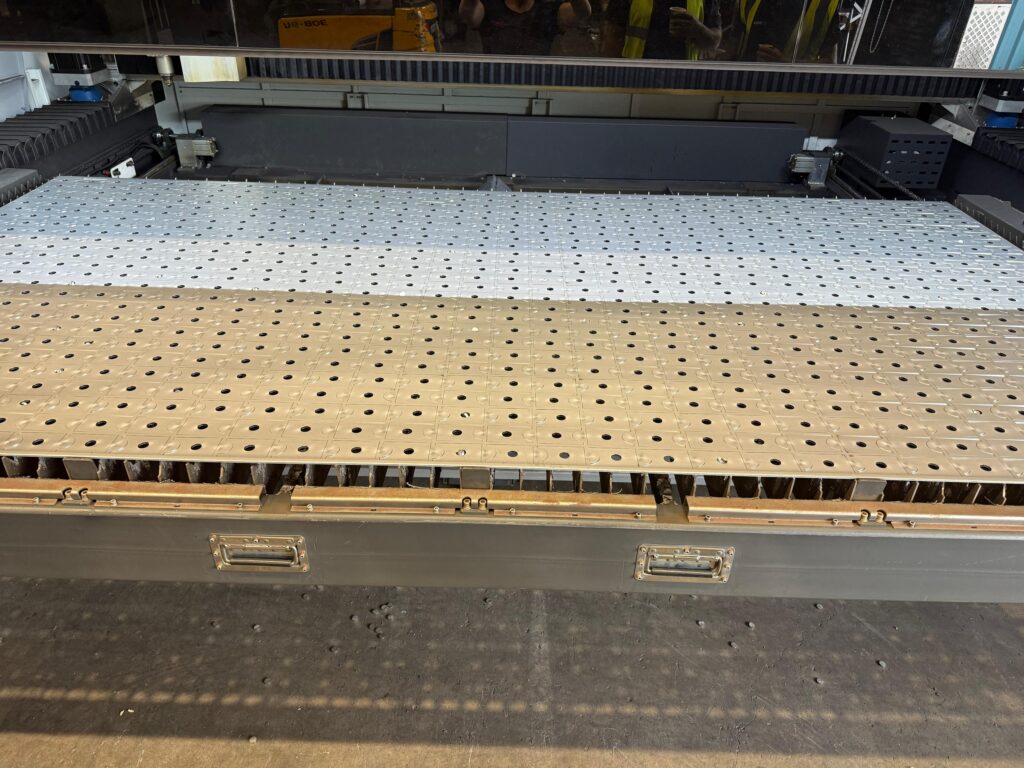
To make this possible, we use dedicated, separate slats specifically reserved for non-ferrous cutting. When required, we swap dedicated slats onto the machines. This approach helps prevent cross-contamination between ferrous and non-ferrous materials during production.
It’s a simple but critical process that gives our customers confidence when hygiene and contamination control really matter. It is particularly important for industries where material purity is essential, such as food processing, pharmaceutical, and chemical applications.
Combined with our material handling procedures, it helps maintain consistency and traceability throughout production. If you have strict contamination requirements, our team can advise on the best process before production begins.
Lead Times & Batch Sizes
We often get asked about our capacity and lead times. These vary depending on workload, machine availability, maintenance schedules, and whether we need to specially order materials in.
Lead times can also vary depending on the complexity, size, and quantity of the job – particularly for large production runs or formed components.
As a guide, our standard lead times are:
- 2-3 working days for flat parts from receipt of order (and payment, if you do not hold an account)
- 7-8 working days for formed parts from receipt of order (and payment, if you do not hold an account)
We are able to accommodate everything from one-off parts through to large batch production, supported by our 10kW laser and automated tower system.
The tower system allows us to run production out of hours, which helps maintain shorter lead times and improves scheduling flexibility. This means we can continue cutting even when the main production day has finished, helping reduce delays and improve turnaround times.
Finishing, Edge Quality & Quality Checks
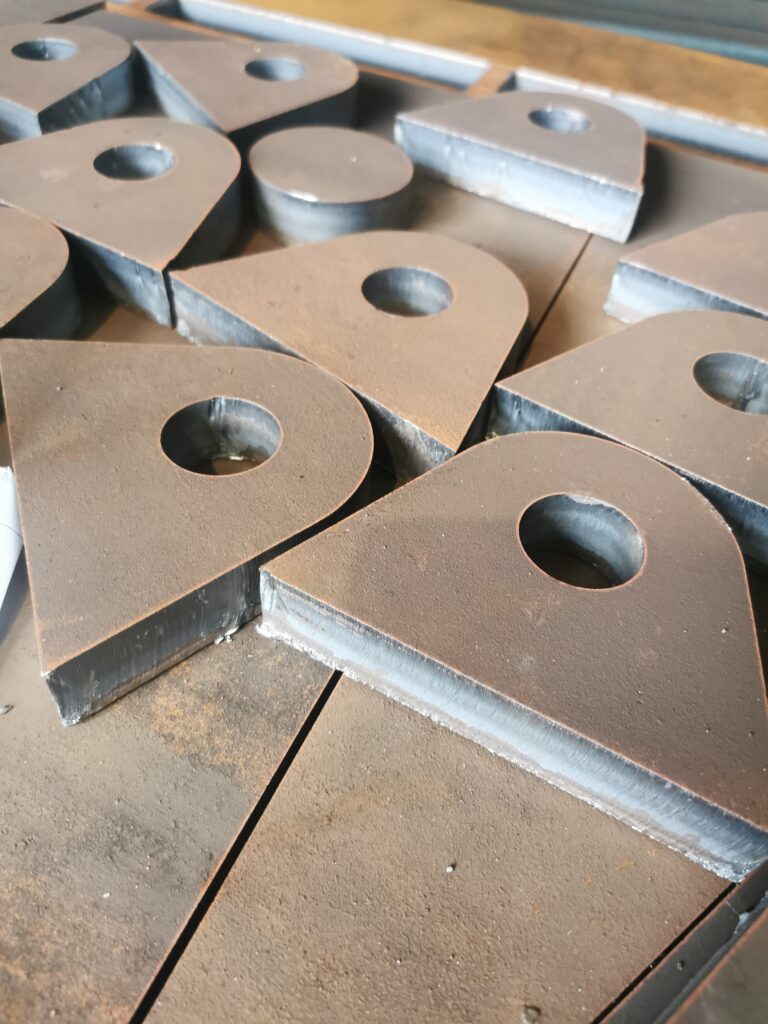
We often get asked what the finished cut quality is like and what checks we carry out to ensure parts are correct.
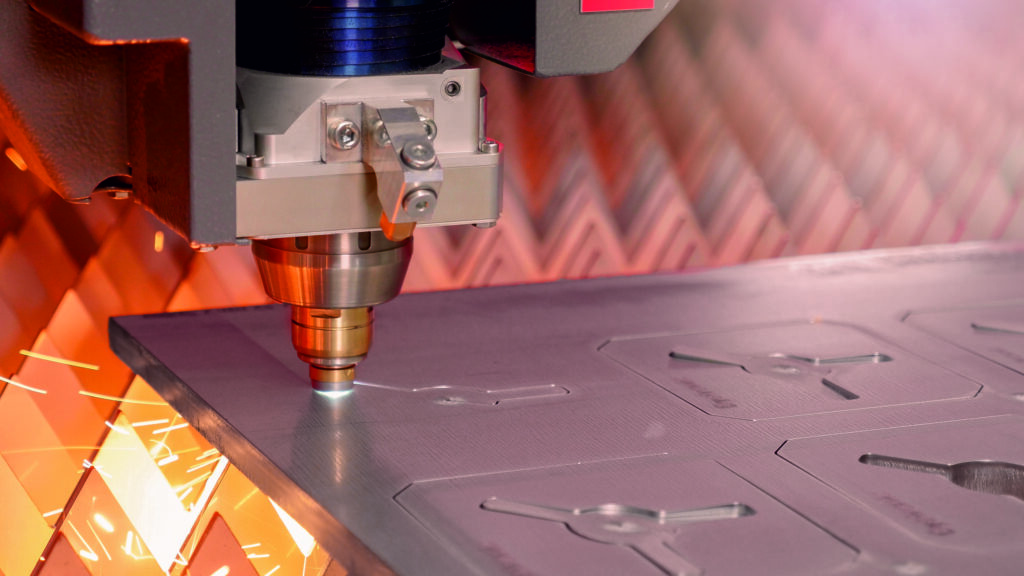
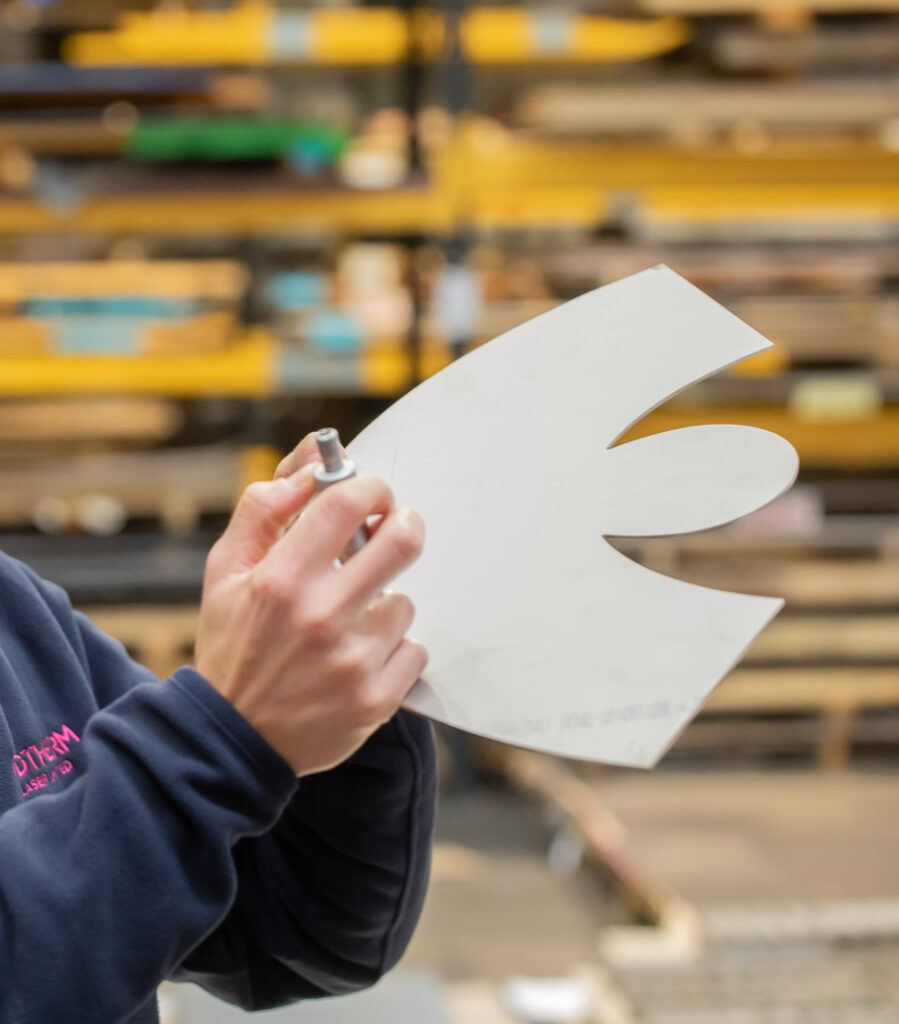
Modern fibre laser technology delivers significantly improved cut quality compared to older CO₂ laser systems. It is more precise, faster, and delivers a consistently high-quality edge finish.
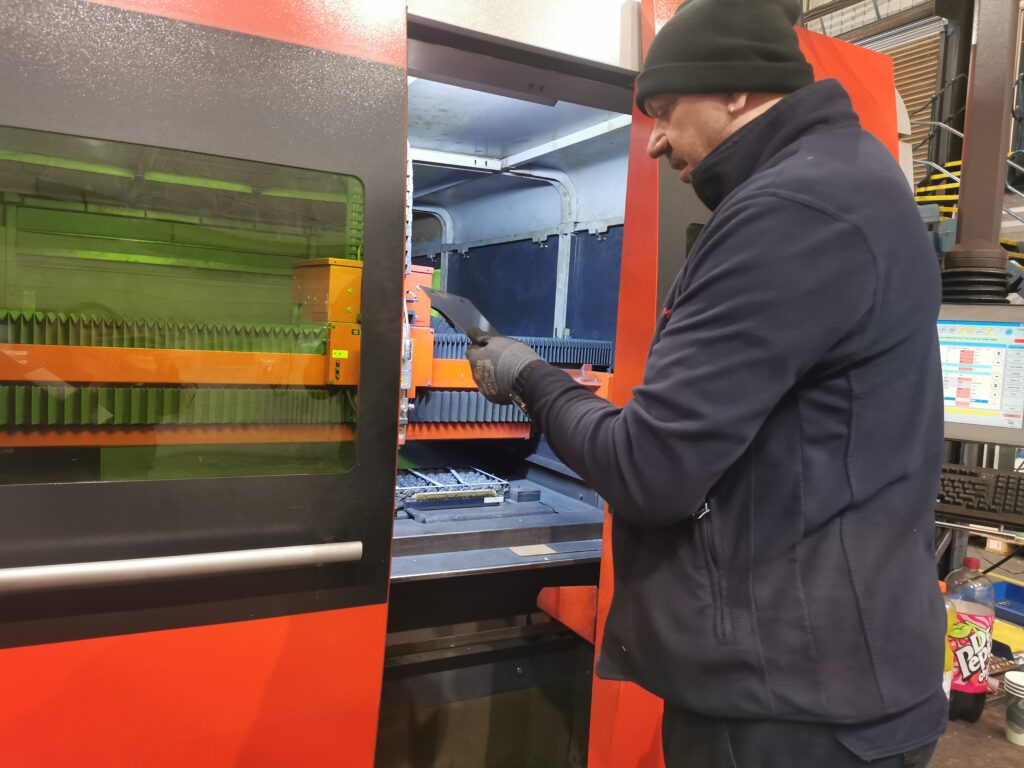
All parts go through a quality control process before leaving the machine. The operator checks the first-off parts during cutting to ensure the profile, dimensions, and cut quality are correct before continuing production.
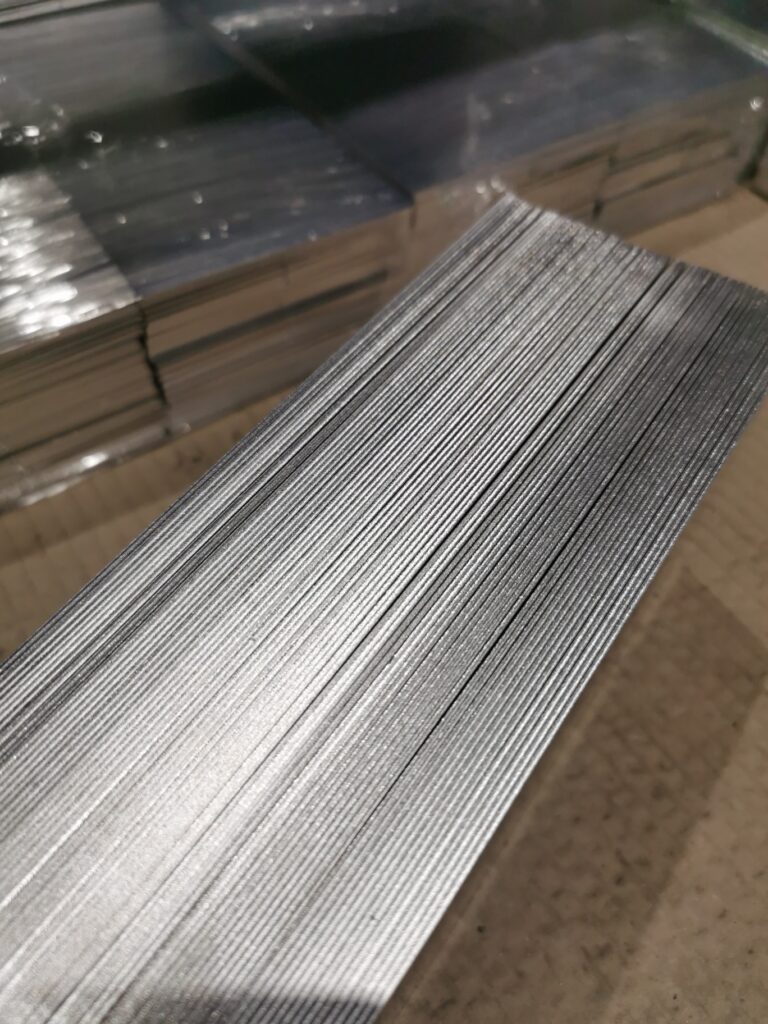
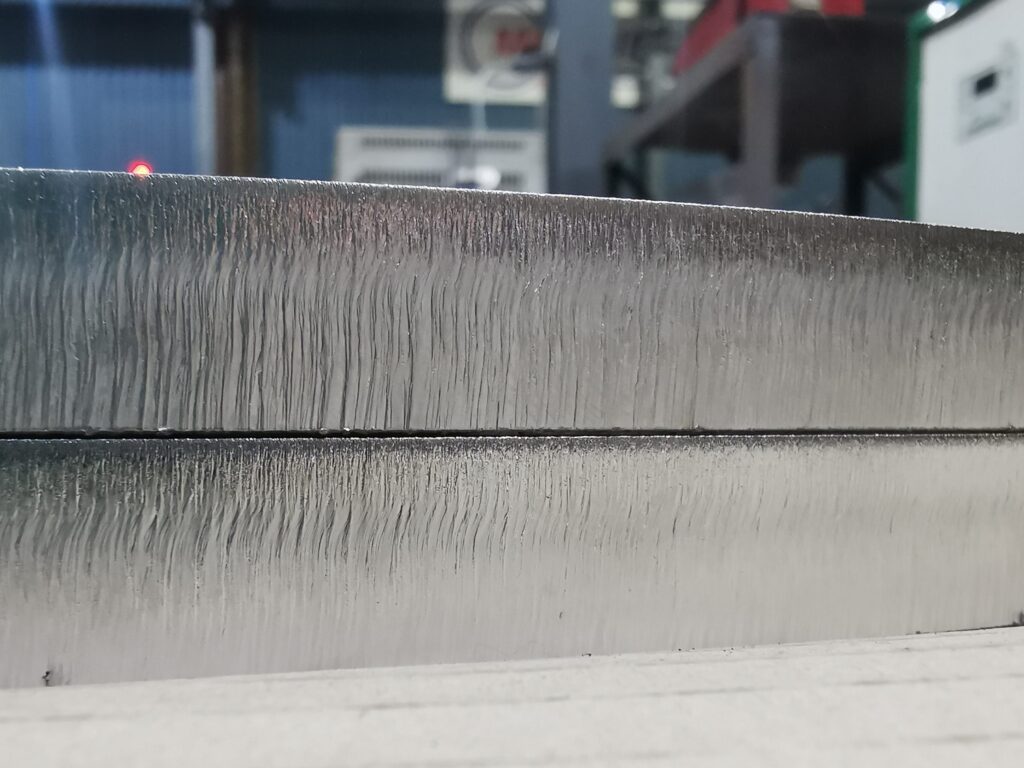
Laser cutting does produce a characteristic striated edge, which becomes more noticeable on thicker materials due to cutting speed and material behaviour. This is normal for the process and still falls within our stated tolerances.
We understand how important accuracy is, so we design our quality systems to minimise errors and maintain consistency across all jobs. If an issue occurs, we review the parts, inform the customer, and either re-cut or rework components where appropriate.
Certification, Compliance & Traceability
Customers often ask: “What are your quality standards?”
We operate under the following certified management systems:
- ISO 9001 (Quality Management)
- ISO 14001 (Environmental Management)
- ISO 45001 (Health & Safety Management)
- BS EN 1090-1 Execution Class 4 (UKCA compliance)
We fully integrate these standards into our day-to-day production processes and follow them consistently across all work.
Regular audits are carried out to ensure ongoing compliance. This verifies that our systems continue to meet the required industry standards.
This approach ensures we manage each job properly from start to finish. There are clear procedures in place should any non-conformance arise.
Customers also ask if they can down load our certs – Which you can do here.
Conclusion
Thank you for reading Common Laser Cutting Questions Answered. We hope this has helped answer some of the most common questions about all of our services here.
We also have a FAQ page if you want to know any more information, plus our INSIGHTS page for news, stories and information.
If you have a specific requirement or something not covered here, our team is always happy to help. Contact us here or give us a call!